

The average moving home costs for selling and buying in England are somewhere between £13,000 and £17,000, and with so much at stake, you want to make great choices.
This isn’t about hunting for the cheapest option at every turn. It’s about knowing what lies ahead and making smart choices so you can design the move that’s right for you.
Happily, most costs are entirely predictable, and with some advance planning and the help of our handy guide, you can budget clearly and move with real confidence. With that in mind, let’s take a look at:
- Estate agent and selling costs
- Stamp duty and capital gains tax
- Conveyancing and legal fees
- Mortgages and surveys
- Removal van options
Moving is a big step, and knowing the costs upfront doesn’t just make it smoother–it also avoids nasty surprises and helps you start the process with the confidence that the numbers are under control.

ESTATE AGENT AND SELLING COSTS
The vast majority of homeowners sell through an estate agent, and there can be significant differences in the levels of service they provide and the quality of their marketing. Here’s what to look out for:
- Fees typically range from 1% to 2% for a sole agency. Keep in mind that the cheapest estate agent is the one who gets you the highest price, not the one who charges the least.
- Most estate agents work on a no-sale, no-fee basis, but it’s not unusual to pay an initial amount to cover photography and floor plans, which then gets deducted from your final bill.
- Think of estate agent fees as a strategic investment: who will deliver the best return? Judge them on their photography, descriptions, online listings, and social media–every detail counts.
- As well as the estate agent’s commission, you’ll need an Energy Performance Certificate to begin marketing your home, and these typically range between £60 and £130.
If you’re about to start researching estate agents in the Wilton and Salisbury area, why not take a look at our blog on Choosing An Estate Agent for valuable tips on picking the best one.
STAMP DUTY AND CAPITAL GAINS TAX
Stamp Duty is typically the largest single expense when buying a home, while Capital Gains Tax is a consideration for some sellers, so understanding what applies to you is vital for accurate budgeting.
- As of June 2026, the current non-first-time buyer Stamp Duty rates for UK citizens buying a main home in England are:
Up to £125,000: 0%
£125,001 to £250,000: 2%
£250,001 to £925,000: 5%
£925,001 to £1.5 million: 10%
Over £1.5 million: 12%
- Stamp Duty is based on the slice of the price within each band, so at £500,000 you pay 0% up to £125,000; 2% from £125,001 to £250,000; and 5% from £250,001 to £500,000 = £15,000 in total.
- Even if you own another property, if you are selling your current main home to buy your next one, you will generally not have to pay the second home supplement.
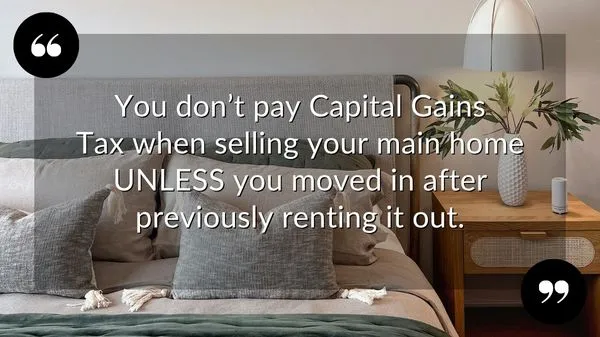
- You don’t pay Capital Gains Tax for selling your main home, but if you’re selling a rental property to fund your purchase, you’ll be taxed on the profit, from 18% basic rate to 24% higher rate.
- If you previously rented out your current main home, Capital Gains Tax is only charged on the profit (increased value minus buying costs and capital improvements) during the rental period.
Are you selling in England but buying in Scotland or Wales? You can find the Scottish LBTT rates at revenue.scot, and the Welsh LTT rates at gov.wales.
MORTGAGES AND SURVEYS
Unless your current home is mortgage-free and you’re buying your next one cash, you’ll need to decide whether to stay with your existing lender or switch to a new one. Costs and considerations include:
- Does your current mortgage have an early repayment fee? Most fixed rates and trackers have them during the period of the initial deal, but you may be able to take the loan with you.
- Mortgage brokers scour the market for the best products and earn commission from lenders, but for high-touch services or non-standard cases, they may also charge you an additional fee.
- For new mortgages, most fixed or tracker products have an arrangement or processing fee, most commonly around £1000 to £1500.
- Your lender will want to carry out a basic valuation. These are usually a few hundred pounds, but some lenders offer them for free as an incentive to use them.
- If you want to send in your own independent surveyor, an RICS Home Survey Level 2 is usually in the region of £450 to £900, depending on the size of the property.
- When buying a historic home or a real fixer-upper, you may want a full structural survey. Starting at around £700, they can cost up to £2000 and beyond for a large or complex property.
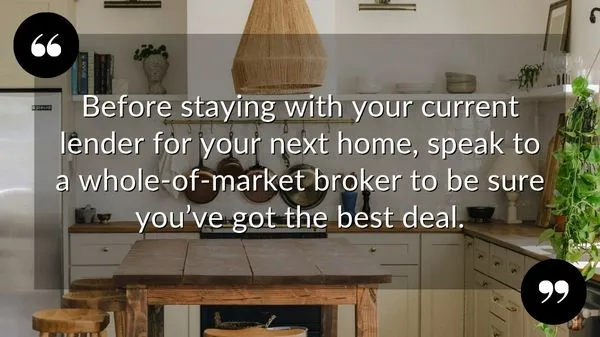
Even if you end up sticking with your current lender, speaking to a whole-of-market independent broker is well worth your time to be absolutely certain that you have the best all-round deal.
CONVEYANCING AND LEGAL FEES
Choosing the right conveyancer is essential. Moving home is regularly cited as one of life’s top stressors, and the legal process doesn’t help, so here are some pointers on choices and costs.
- Conveyancing is typically around £2000 to £3000 for selling and buying together. While budget deals around £1500 exist, we advise prioritising solicitors who offer a high-contact service.
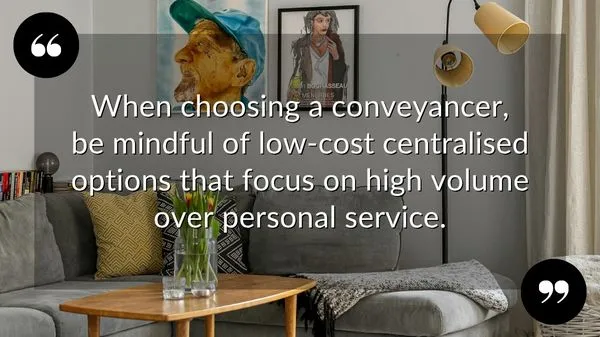
- Be mindful of centralised call centre-style operations, which focus on high volume and rigid workflows, as the conveyor-belt system can become frustrating if complications arise.
- Expect to pay around £250-£350 for local authority searches on the home you’re buying, and around £100 to cover anti-money-laundering checks and bankruptcy searches.
- Land registry fees to register you as the new owner are charged on a scale and max out at £500 (for homes over £1,000,000) when submitted online, and roughly double when done by post.
A final tip for selling and buying together: it's often wise to use a solicitor near your next home as they’ll already be familiar with local issues such as floodplains, flight paths, and future infrastructure projects.

REMOVAL VAN OPTIONS
Deciding how to move your belongings comes down to three factors: your budget, how much time you have, and how much heavy lifting you are willing to do yourself.
Whether you opt for a DIY approach, a helping hand, or a full-service team, each has its pros and cons.
- You can rent a self-drive van for £50-100 per day, making it the cheapest option if you’re willing to do all the packing and loading yourself (or with the help of friends and family).
- If you’re only up for the packing part, a man (or woman) with a van will load and unload for you– expect to pay around £50 to £80 per hour, depending on whether they work solo or as a pair.
- Hiring a removals firm will put you into the thousands as they have larger vehicles and bigger teams, but they use fixed prices and offer optional extras like packing and unpacking.
- When packing yourself, order your boxes, sticky tape, bubble wrap, mattress covers and labels as soon as you exchange contracts, so you have as much time as possible.
Finally, and depending on the parking restrictions on your street, you may need a permit to park a van outside your home during the day, so check with the local authority first.
Are you planning a move?
We know you have a choice of estate agents in the Wilton and Salisbury area, and we'd love to stand by your side from start to finish.
Call us on 01722 580059 or email us at info@piccoloproperty.co.uk for a friendly, no-strings chat with one of our team, and let’s start making your plans a reality.


Share this with
Email
Facebook
Messenger
Twitter
Pinterest
LinkedIn
Copy this link