
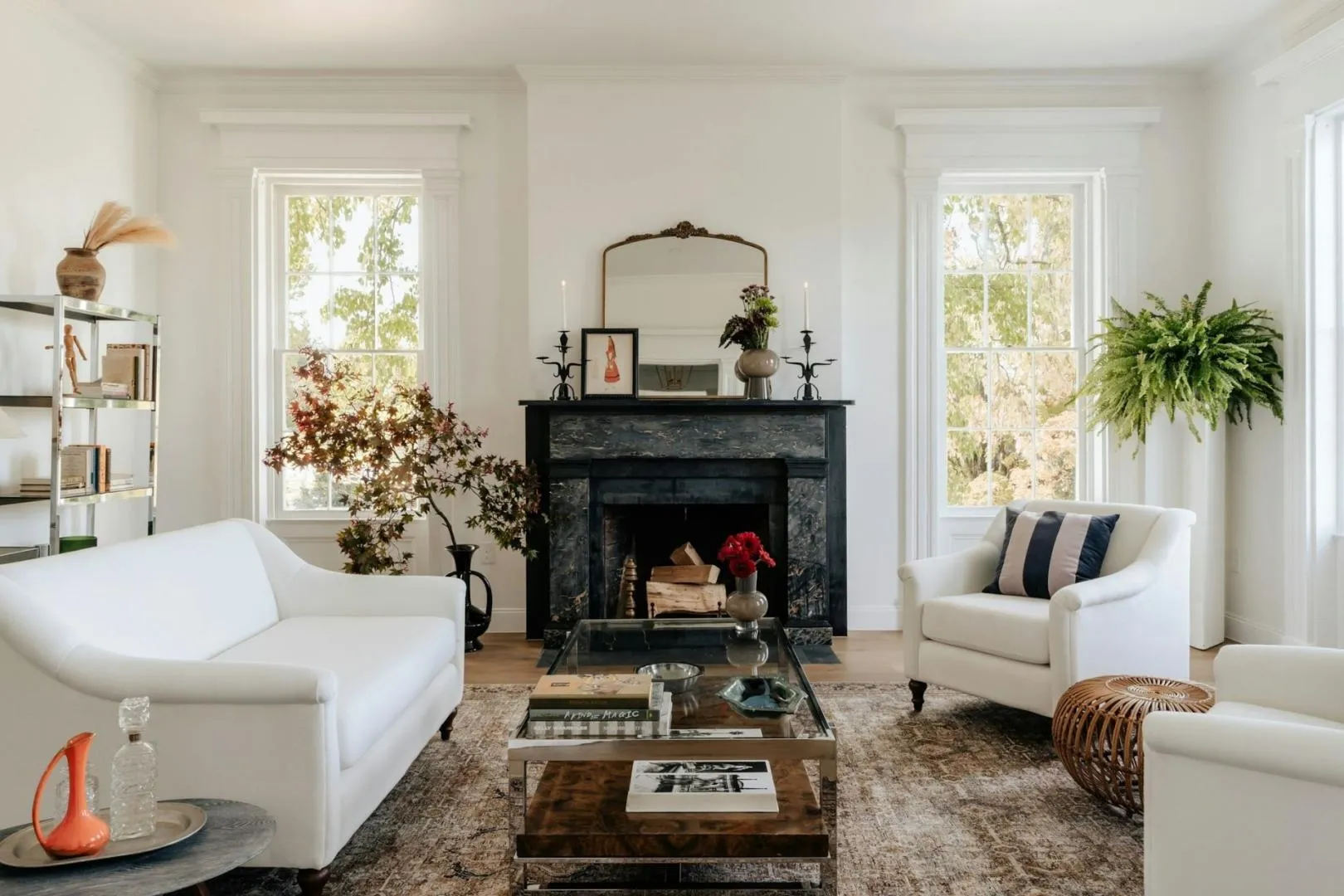
Buyers love character, and they’ll pay handsomely for it, which makes restoring your home’s period charm an excellent way of uncovering extra value.
There was a time when everyone was ripping out fireplaces, panelling over doors and doing their best to hide or replace original features that were seen, somewhat unbelievably, as too fussy.
Fortunately, those days are long behind us, and an appreciation of period craftsmanship has rooted itself firmly in our home-buying and home-making culture.
But uncovering extra value isn’t about pretending to live in a bygone era. Instead, the trick is to combine original character with contemporary flair, so let’s explore:
- Reinstating fireplaces
- Stripping doors and floors
- Restoring tiles, cornices, and hardware
- Exposing brick walls
- Removing upstairs ceilings
We love uncovering extra value for sellers and their homes in the Wilton and Salisbury area, so let’s pull back the proverbial carpet to see what you could find in yours.
REINSTATING FIREPLACES
When you’ve got one or more fireplaces that have been removed or covered up, there’s potential to add more value to your home by restoring them to their former glory.
- Chimney breasts were born to have a fireplace, but be careful to reinstate an appropriately sized surround and hearth for the room to avoid it looking either lost or too large.
- For period homes, stay in character. Georgian fireplaces look best in Georgian homes, and the same goes for Edwardian, Victorian, and 1930s models: give buyers what they’re hoping for.
- If the original surround or tiles are in place but painted over, you can restore them with products like Nitromors or Kling Strip to safely lift decades of gloss without damaging the detail.
- Get the chimney swept and smoke-tested by a professional before lighting a fire. If the fireplace is just for decoration, an inflatable chimney balloon can stop drafts and falling soot.
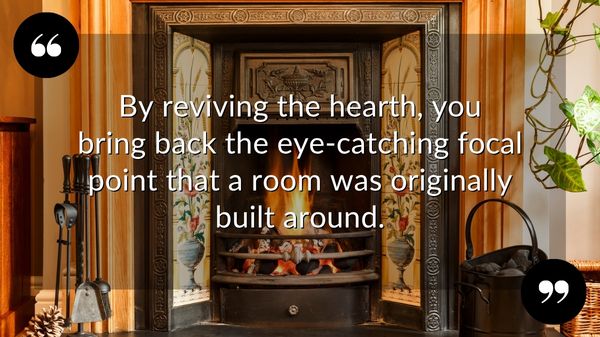
By reviving the hearth, you not only bring back the eye-catching focal point that a room was originally built around, but you send the ultimate signal of cosiness to buyers scanning hundreds of photos online.
STRIPPING DOORS AND FLOORS
There is a grounded, earthy quality to stripped wood, and while our ancestors preferred masking pine with heavy paints and mahogany stains, today is about celebrating raw materials and the story they tell.
- To strip your floorboards, make sure the nails or screws are at least a millimetre lower than the surface to avoid ripping the belt of a professional sanding machine.
- Fill gaps up to 1cm with a mix of flexible acrylic-based filler and sanding dust. For larger gaps, cut slivers of reclaimed timber, apply wood glue to either side, and push into the gap with light taps.
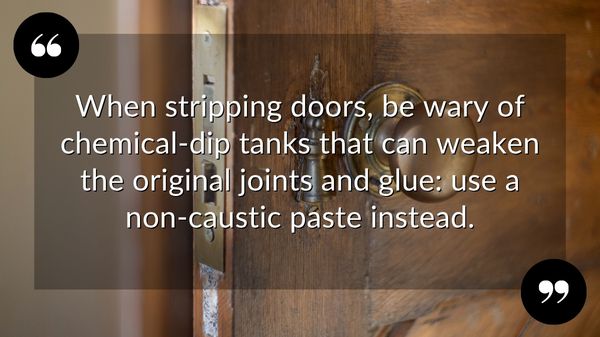
- When stripping doors, be wary of chemical-dip tanks that can weaken the original joints and glue. Apply a non-caustic paste like Peelaway or Kling Strip, or use a heat gun and scraper.
- After your doors are stripped, wash them down with mineral spirits. Once they’re dry, sand lightly with a fine-grit sandpaper to remove any raised grain.
- To finish, use a hardwearing oil- or water-based polyurethane on floors. For your doors, a hard wax oil will bring out the grain, nourish the wood, and allow it to breathe.
These final treatments do more than just protect; they provide a polished ruggedness that offers buyers a cosy and characterful welcome as they cross the threshold.
RESTORING TILES, CORNICES AND HARDWARE
The smallest details of a period home were often the first to be sacrificed to the DIY trends of the 1970s, but these ‘jewellery pieces’ are often the easiest to bring back.
- If your original plaster coving is choked with fifty years of paint, use a specialist poultice to peel the layers away and reveal the crisp, intricate details.
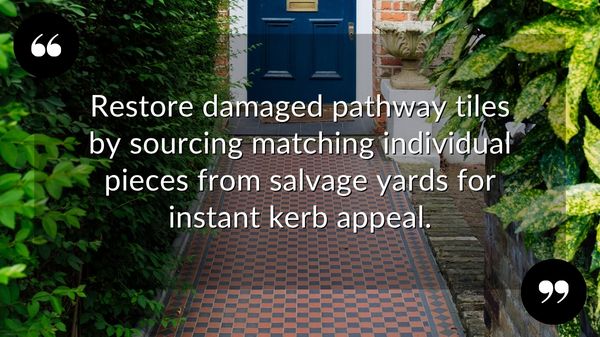
- Restore damaged hall and pathway tiles by sourcing matching individual pieces from salvage yards; great for instant kerb appeal outside, and lasting first impressions inside.
- Sourcing reclaimed finger plates, knobs and keyhole covers for doors elevates them to their original look and creates a tactile experience when opening them to each room.
Investing in these areas signals a restoration of love and respect that pays attention to details that are often overlooked in renovations, giving buyers even more confidence to offer.
REVEALING BRICKWORK
Everyone loves beautiful brickwork, and whether it's inside or outside, uncovering architectural fabric can be a smart move for a materials-rich aesthetic, with the key being moderation.
- An exposed brick chimney breast makes a major and unexpected focal point that adds warmth and texture to a room that contrasts with its decor.
- Treat the revealed brick with a breathable sealant to prevent your furniture and floors from getting a daily dusting of fine red grit.
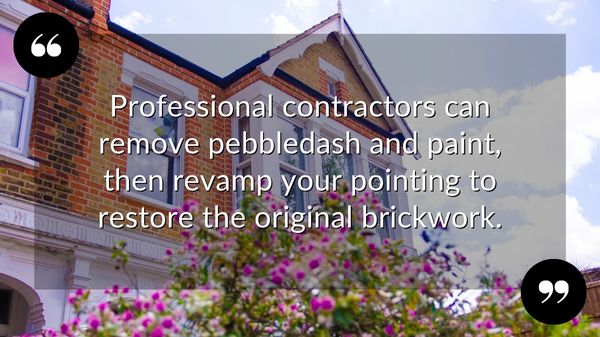
- If your outside brickwork is painted or pebbledashed, professional contractors can remove the covering and revamp the pointing to restore the original beauty.
From a tactile feature indoors or a refreshed facade, revealing the original brickwork can both restore your home’s integrity and resonate deeply with discerning buyers.
REMOVING UPSTAIRS CEILINGS
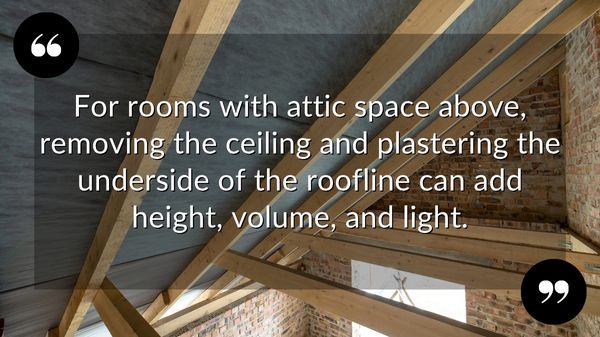
For rooms with attic space above, removing the ceiling and plastering the underside of the roofline can add height, volume, and light while introducing visible overhead beams.
This vaulting effect can transform a room into a spectacular, airy sanctuary that feels twice the size and is far cheaper than the cost of a loft conversion.
- Removing the old lath and plaster is a messy job, but revealing the hidden "V" of the roof provides a sense of drama that flat ceilings simply cannot match.
- Line the roofline with high-grade insulation before plastering to ensure the room stays warm in winter and cool in summer, rather than becoming an ice box or sauna.
- Treat the original joists and rafters by sanding and oiling the timbers, or painting them in a contrasting colour to the ceiling to make the geometry pop.
- As you’re changing a room’s thermal performance, you’ll need Building Regulations Approval from the council: they’ll want to see that you’re insulating and ventilating correctly.
This unexpected lofty character can widen your audience, give you standout appeal and boost your sale price. However, it's wise to retain some of the attic space for useful storage if there’s none elsewhere.
Does your home have extra value potential?
Buyers today are looking for a story and a sense of place, and by reinstating character, you give them exactly that, with your home’s best features standing front and centre.
If you’re wondering about uncovering extra value, we’re here to help. Call us on 01722 580059 or message us at info@piccoloproperty.co.uk for an expert chat about what buyers want from homes in the Wilton and Salisbury area.


Share this with
Email
Facebook
Messenger
Twitter
Pinterest
LinkedIn
Copy this link